Planning for Safety

If you feel unsafe in your relationship, a safety plan can be a very valuable resource.

A safety plan will help you think through some of the steps you may decide to take to protect yourself and your children. You can receive support in creating a safety plan from counselors on the Philadelphia Domestic Violence Hotline (1-866-723-3014).


Your safety plan may include:
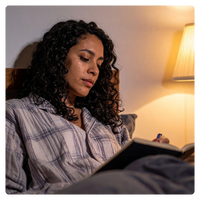
Safety Planning 1
  • Know where you can get help. Keep a list of important phone numbers (police, domestic violence hotline, hospital) and use this mobile resource guide.
  • Plan with your children. Identify a safe place for them (room with a lock, neighbor’s house). Let them know that their job is to stay safe; not to protect you.
  • Arrange a signal with a neighbor or friend for when you need help.
  • Prepare an emergency kit or "go bag" that you can get to quickly. (You may want to keep it at a trusted friend’s/neighbor’s house.)
  • If you want to leave, plan the safest time to get away. Know how you will leave and where you plan to find initial safety.
  • Leaving can be the most dangerous time in an abusive relationship, so if you forget something, do not return to the home. Advocates at Women Against Abuse can help clients replace documents or other items they may need.

Call the Philadelphia Domestic Violence Hotline


Your "go bag" may include:
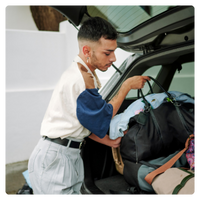
Safety Planning
  • Money, EBT card, checkbook, credit cards, pay stubs
  • Personal documents, such as birth certificate, passport, photo ID, social security card, green card, work permit, etc.
  • Health insurance cards, extra medication for you and your children
  • Deed or lease to your house or apartment
  • Court papers or orders
  • Change of clothes for you and your children
  • An extra set of house and car keys
  • Phone charger

need help creating a safety plan?

Caring, experienced counselors are available 24/7 through the Philadelphia Domestic Violence Hotline.


Waa-balloons-1
Mother_with_Baby_in_front_of_house

LATICIA'S STORY

“We were just a couple trying to make a relationship work,” reflected Laticia.

Read Full Story
Untitled design 30

Natalie's New Beginning

Entering the Women Against Abuse safe haven – really leaving for good – was the culmination of 10 years of relationship abuse; more arguments, threats and sleepless nights than Natalie* could count. They had children together, shared a life together, depended on each other financially. It wasn’t easy to break things off.

Read Full Story
Untitled design 81

Historia de Shakeda

Untitled design 46

Lucia’s Story

Lucia* came to the Women Against Abuse emergency shelter pregnant and with five children.

Read Full Story
Renee-norris-jones

Renee’s Story

Renee Norris Jones experienced 7 years of domestic violence at a time when few resources existed to help victims escape abuse.

Read Full Story
Dineth thumb

Dineth's Story

I was probably 8 or 9 the first time we went to Women Against Abuse’s shelter in the mid-1980s. It was in [West Philly] and it was because my mom was in a domestic violence situation and we needed to find a safe place to live.

Read Full Story
Doreen-davis

Doreen Davis’ Story

Doreen Davis is a longtime supporter of Women Against Abuse who has used her expertise in traditional labor law to assist WAA for over two decades.

Read Full Story
Sara

Sara’s Story

Meet Sara, a survivor of domestic violence, who overcame an abusive relationship and navigated a new country, all while parenting two children.

Read Full Story
Sarah_Johannsen_2

Sarah’s Story

Sarah joined Women Against Abuse in September 2010 through a partnership program with the German peace and volunteer organization ARSP.

Read Full Story
Kalias story

Khadijah's Story

It was young love, and it felt exciting. Looking back, there were red flags early on, but I didn’t see them at the time.

Read Full Story

If you or someone you know needs help, call our toll-free 24-hour Hotline:

1.866.723.3014

Sign up for Action Alerts, Updates & Newsletters!